
Tooth Extraction at
Endomax Dental & Implant Centre
Professional and carefully planned tooth removal when a tooth cannot be preserved or extraction is the appropriate treatment.
Safe and Comfortable Tooth Extraction
Tooth extraction may be recommended when a tooth is severely damaged, decayed, infected or otherwise cannot be effectively restored. In some cases, removing a tooth may also be necessary to protect surrounding teeth and oral health.
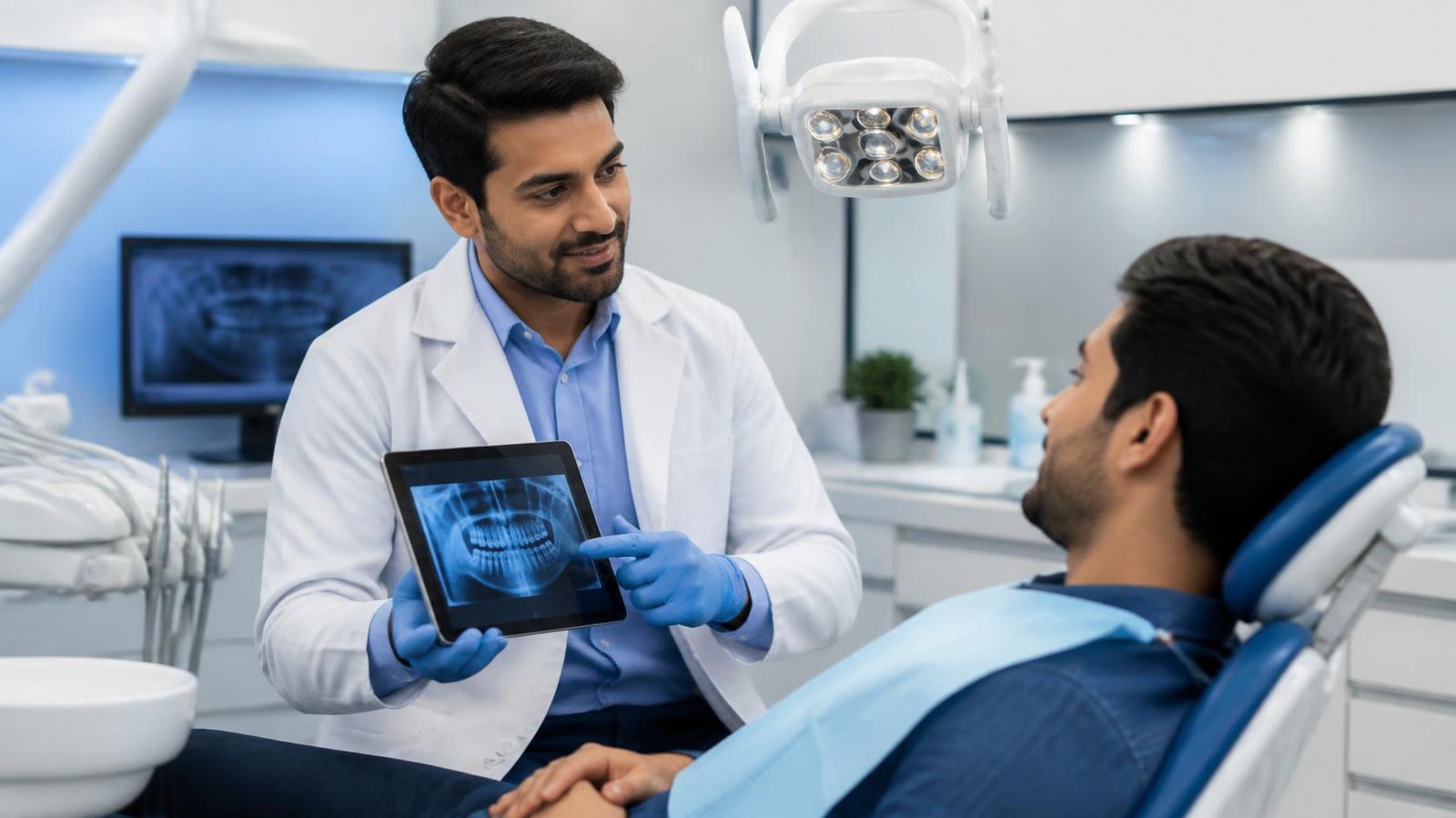
At Endomax Dental & Implant Centre, we first assess the condition of the affected tooth and surrounding tissues to determine whether extraction is necessary and discuss the available treatment options with you.
Our team focuses on careful treatment planning and patient comfort throughout the extraction and provides appropriate guidance for recovery and follow-up care.
When a tooth cannot be preserved, careful extraction and appropriate follow-up care can help protect your overall oral health.
When Might Tooth Extraction Be Recommended?
- A severely decayed tooth
- A broken or extensively damaged tooth
- A tooth that cannot be restored
- Advanced infection or dental abscess
- Severe periodontal damage affecting the tooth
- An impacted or problematic tooth
- A tooth that needs to be removed as part of a planned dental treatment
Your dentist will carefully assess the tooth and discuss whether extraction or an alternative treatment is appropriate for your individual condition.
What Does Tooth Extraction Involve?
1.
Examination & Assessment
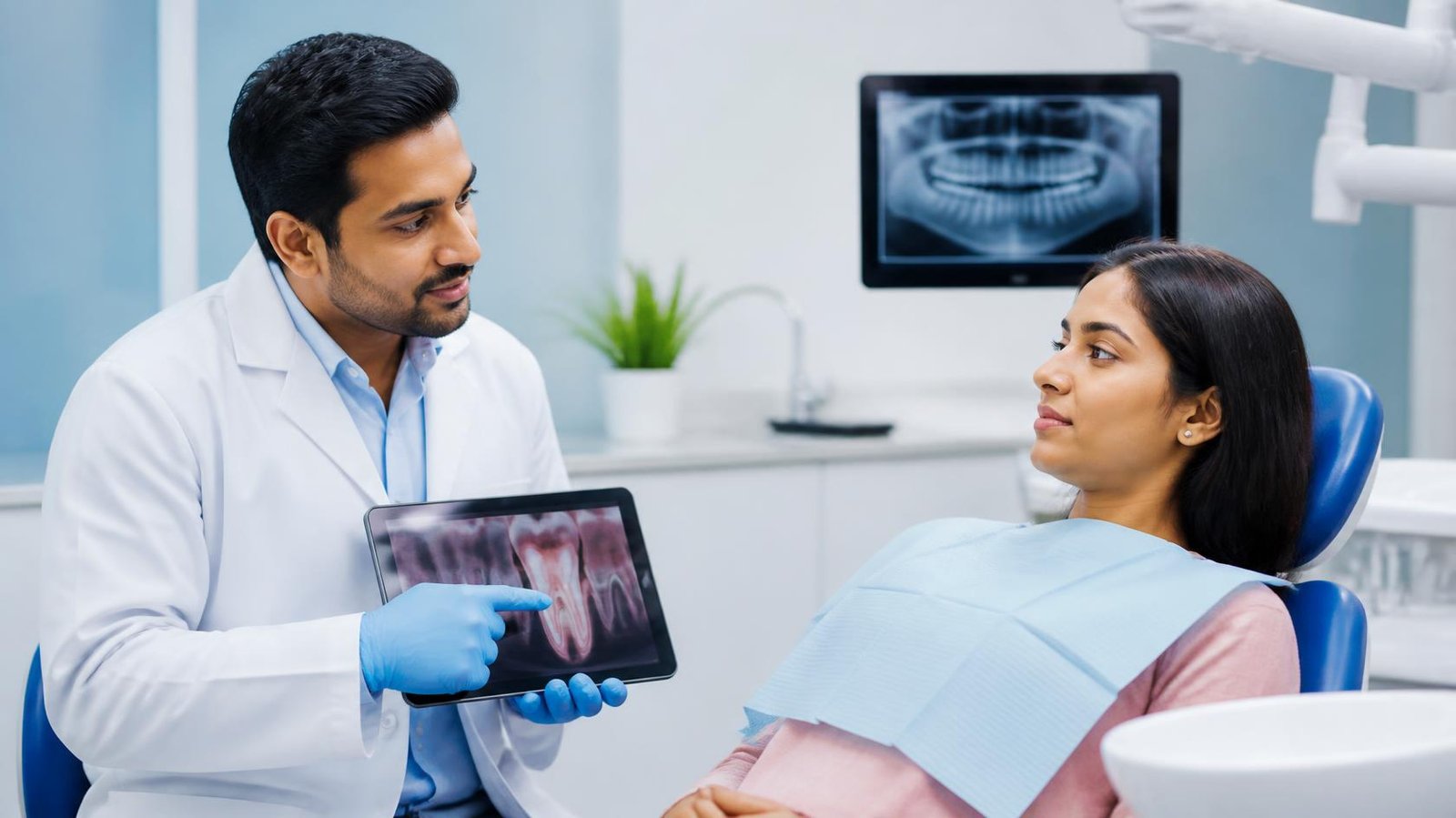
The affected tooth, gums and surrounding structures are examined, with dental imaging when required.
2.
Treatment Planning
Your dentist determines whether extraction is necessary and explains the procedure and available options.
3.
Preparing for Extraction
Appropriate local anesthesia is used to help make the procedure as comfortable as possible.
4.
Tooth Removal
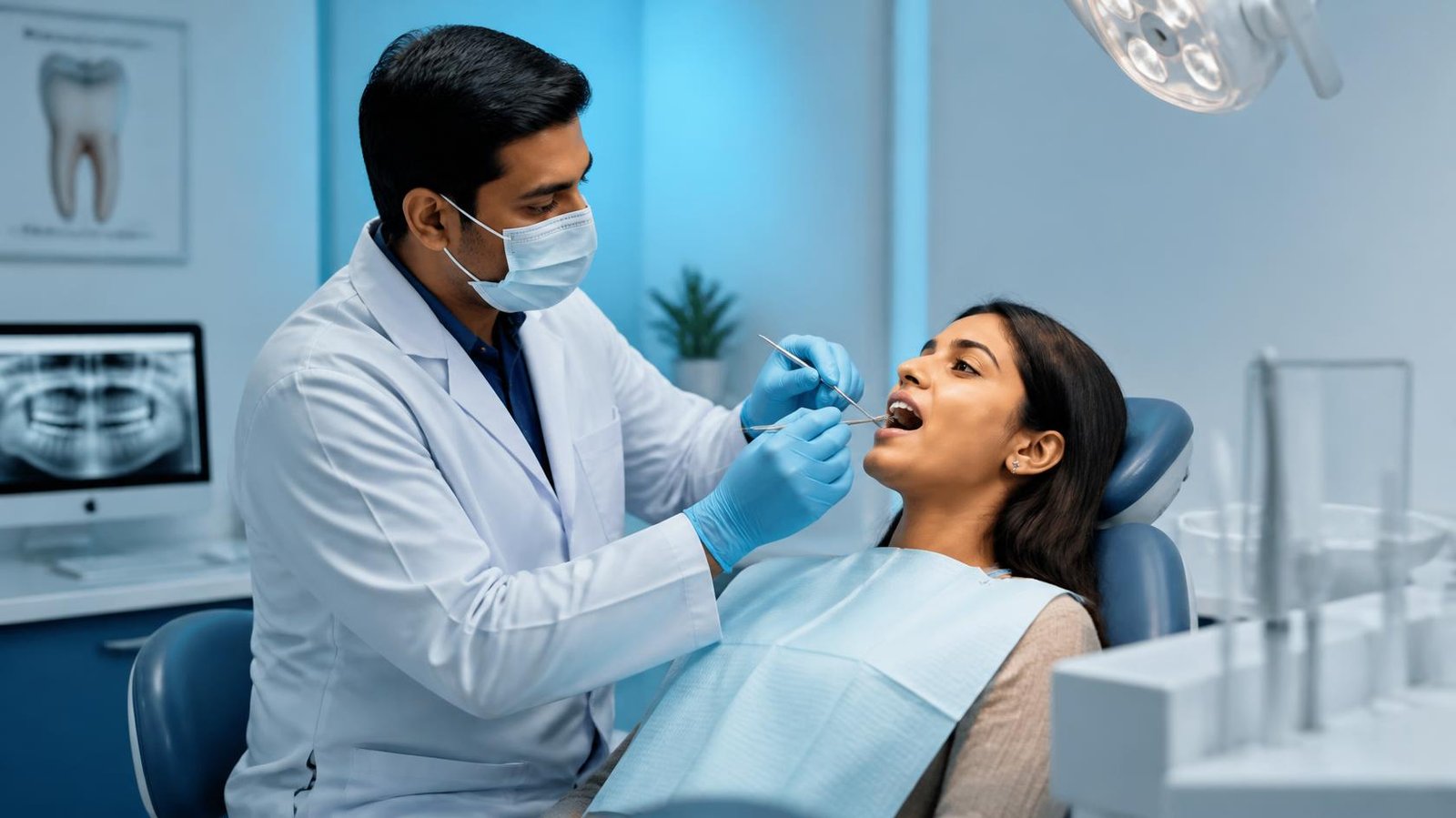
The tooth is carefully removed using an appropriate extraction technique based on its condition and position.
5.
Aftercare & Recovery
You receive post-extraction instructions to support healing and reduce the risk of complications.
6.
Tooth Replacement Planning
When appropriate, options such as dental implants, bridges or dentures can be discussed to replace the missing tooth.

